what it means to have my own imprint—in an age when publishing uses authors as a disposable resource
get ready for a sappy little post but one that pulls the curtain back on the journey

Oct 20, 2025
a few years back i was a burnt out publishing employee struggling to keep it together during a pandemic and watching the thing i loved most become my greatest source of unhappiness. people always say not to make a career out of the thing you love and i stand by that advice for most people because often the introduction of work to something you cherish will create a toxic relationship—much like mine with publishing.
since an early age i wanted to be a writer but even more so, i wanted to work with books—the magical things that created a safe haven for me in my darkest moments. in university i did my research. i had mentally prepared myself for all of the negatives that came with working in publishing—low salaries, long hours, very few open positions (especially in Toronto), and an even harder time wedging your way through the door. i stayed home for university so i didn’t rack up a mountain of student debt to live on campus. i started a post-grad publishing certificate that i later dropped simply to get access to the exclusive job board of internships that all the big five publishers wanted to keep on the down low back in 2019. they were constantly getting too many applications from the endless supply of people who wanted to enter the industry.
i told myself that it would all be worth it because i would be working in publishing.
fast forward several years and i was desperate for a way out. while i had prepared myself well (in theory) for the issues people openly talked about, no one really prepares you for what it feels like to work in publishing as a young woman of colour—especially a Black or brown one. the constant micro-aggressions, the infantilization from senior level staff, the suggestion that speaking your mind or asking a simple question was a sign of aggression or dissent when you did it, but was seen as thoughtful and intelligent when your white coworker did.
but for me the worst part was the way i was constantly told day in and day out that there wasn’t enough marketing budget for the BIPOC author’s title but that we could pour more than triple my salary into the the white author’s book in the same season. it was the way i was told that we couldn’t acquire the incredibly written book by a BIPOC author but that we just had to acquire the next piece of commercial slop by a white author because it would sell.
publishing at the end of the day is a business that wants to make money but the people who decide what “sells” are largely those who want the easiest option that requires the least amount of work on their part. and unfortunately that means publishing the same stuff that they’re used to (white authors and white stories), and doubling down on trends until they’ve exhausted that pipe.
at some point i was seeing the awfulness of the news around me, the dehumanization of various groups on the daily, and realized that this was a systemic problem that i could never combat solely on my own. my naiveté and love of books had only gotten me so far. i was having a cruel awakening.
publishing as an industry is extremely white. take the following stats from the Lee & Low diversity survey 3.0, published in 2023. when most of the people working in the industry have the same experiences and are unwilling to try new things and explore new perspectives, we ultimately land in a standstill—replicating the same old stereotypes or simply silencing all the other identities who aren’t there themselves to defend and champion their own voices.
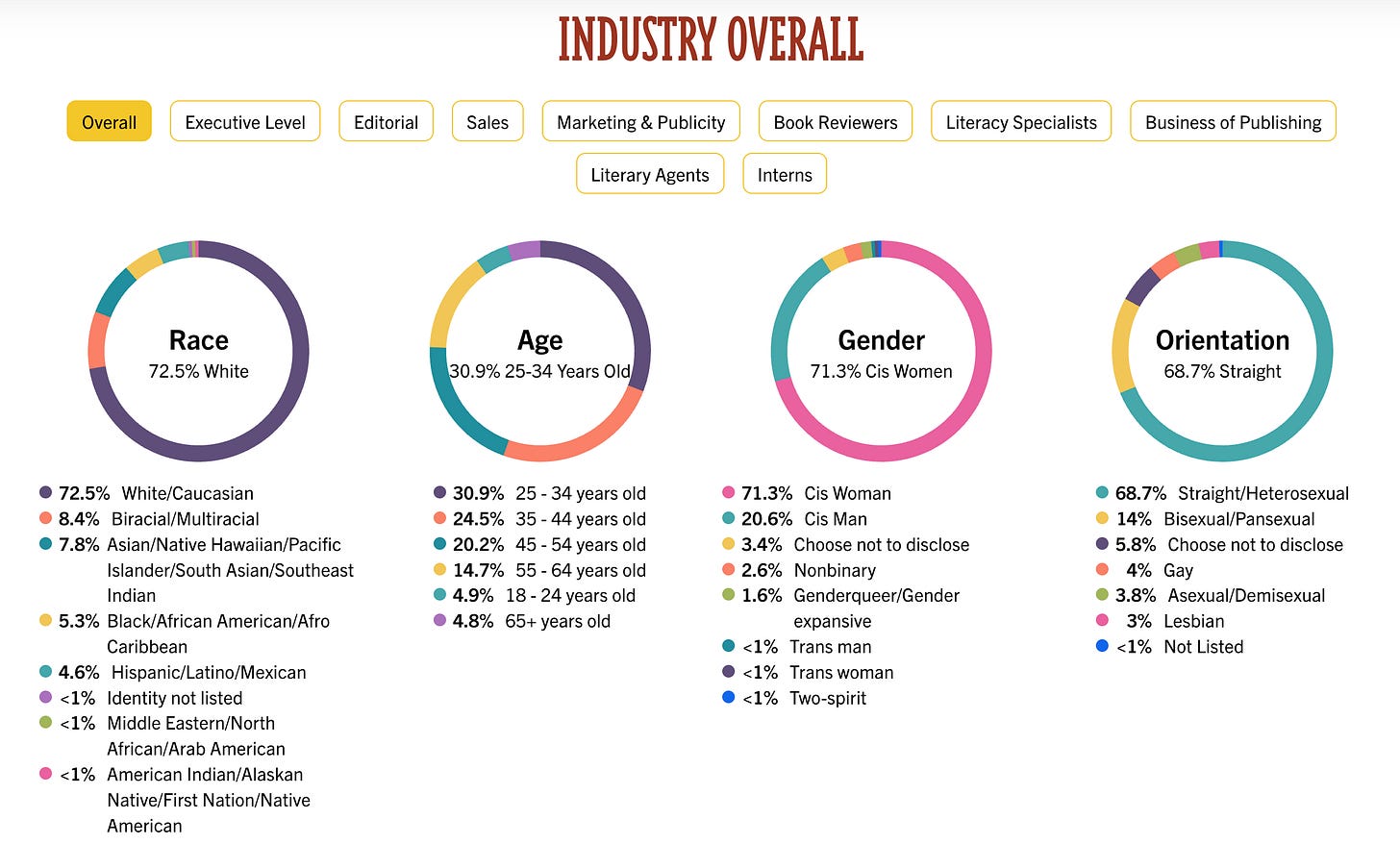
but publishing is also not a place where BIPOC employees are able to thrive—and most often than not—like me—we end up leaving the industry because there’s only so much dehumanization and racism one can take. especially when we have our hearts and souls on the line like we do in publishing.
it was at that low point that everything changed for me. i was walking through Costco, grocery shopping with my mom (yes, i still lived at home, do you know how much publishing pays??), when i got a voice note from my brand manager (i was a part time book influencer at the time, now fulltime) who said there was someone who wanted to get on a call with me. this person had previously worked at Patreon and was hoping to launch a new startup where influencers would become publishers.
i was extremely skeptical at first. who wouldn’t be?
but after a long meeting where i grilled Matt Kaye on his idea and how he saw it expanding, i was impressed by the sheer heartfelt quality to his pitch. he was someone who had worked in publishing, who saw the value of content creators and their influence, and who was also seeing how traditional publishing was using authors like a disposable resource.
Boundless Press x Bindery Books
in 2023, i launched my publishing imprint, Boundless Press, under Bindery Books. at first, i was overwhelmed by the work, but also excited to be part of this new disruptive model to the industry. “tastemakers” who had Patreon-esque membership communities would have their own micro-publishing imprints where they got to curate and select which books to publish under their imprints based on what they already knew their audiences loved. under this model, authors would focus on what they do best—writing. while tastemakers would focus on what they do best—talking about books online and taking the stress of marketing off the authors’ shoulders.
from the get-go i knew i wanted to publish the kinds of stories that i had been told for years there was no space for in the industry. but i also knew i didn’t want to limit myself to a particular identity. some people have asked me why i didn’t start an imprint that published only south asian voices as a south asian person myself, but for me, the issue wasn’t only that certain identities weren’t being represented but that even among BIPOC communities we were siloed in our struggles when, in fact, all of our struggles are interconnected and we needed to uplift each other.
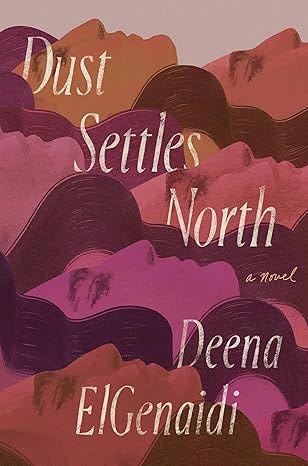
Goodreads | Amazon | Bookshop | Barnes & Noble
this was one the reasons i was extremely honoured to publish Deena ElGenaidi’s book, Dust Settles North, as the first title from my imprint. It’s a beautiful literary fiction with the kind of representation of Arab & Muslim characters that is hard to find these days—representation that is simply human in the face of both horrible stereotypes but also harder expectations placed on BIPOC authors to represent a whole community when they can only represent their own singular experience.
Deena wrote a beautiful piece on what “Good” Muslim representation even means for People Magazine—check it out here.
the title of my imprint—Boundless Press—was a riff off my youtube channel’s name which is this story ain’t over. I wanted to create a publishing imprint that allowed people to remember that there was always more to their story, that their lives were boundless things, and that there was a boundless world out there to discover as a reader.
i was speaking recently with one of the other Bindery tastemakers, Zoranne, about our frustrations with publishing and even our own struggles launching the books under our imprints. but one thing we kept coming back to was how grateful we were to be the starting point for our authors’ careers. most of the authors picked up by Bindery imprints are ones who had exhausted all other avenues for publishing and were at a point of giving up. now, both of Zoranne’s authors have secured publishing deals for future books from big five publishers—something that would’ve been much harder without the initial push that Zoranne was able to give them though her imprint, Fantasy & Frens.
and this is what i do it for really. to know that i am giving someone the mic and making a space on the stage for them to shine — especially when the industry as a whole is working against them.
but i couldn’t have done it without the beautiful support of the people in my Bindery community (remember: it’s like patreon but with publishing!), whether they are free followers or paid members. our next Boundless Press book, Burn the Sea by Mona Tewari is coming out next year on April 21st, and i’m so glad to say that we’ll be thanking Star tier members and above in the back of the final book just like we did for Dust Settles North.
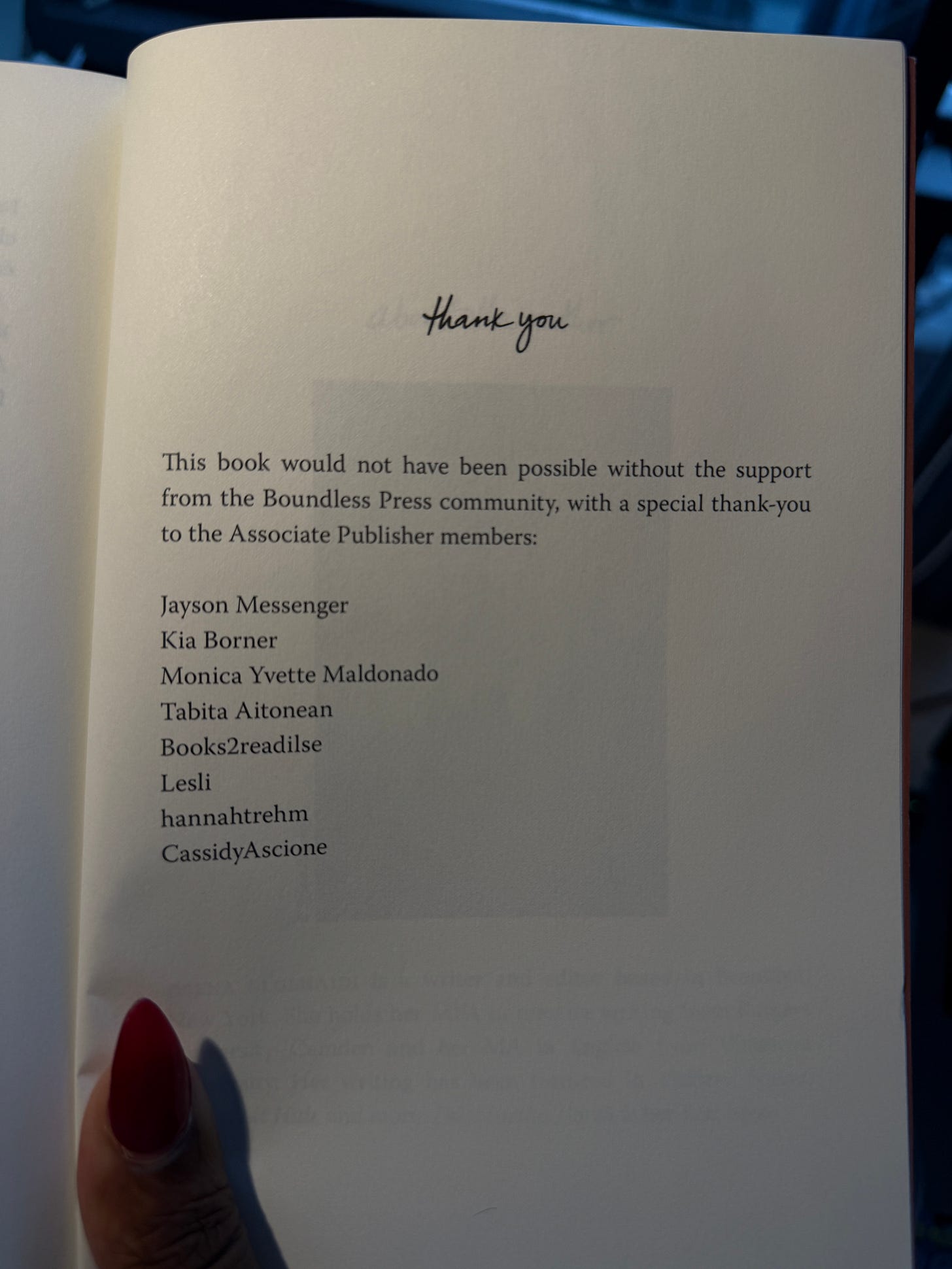
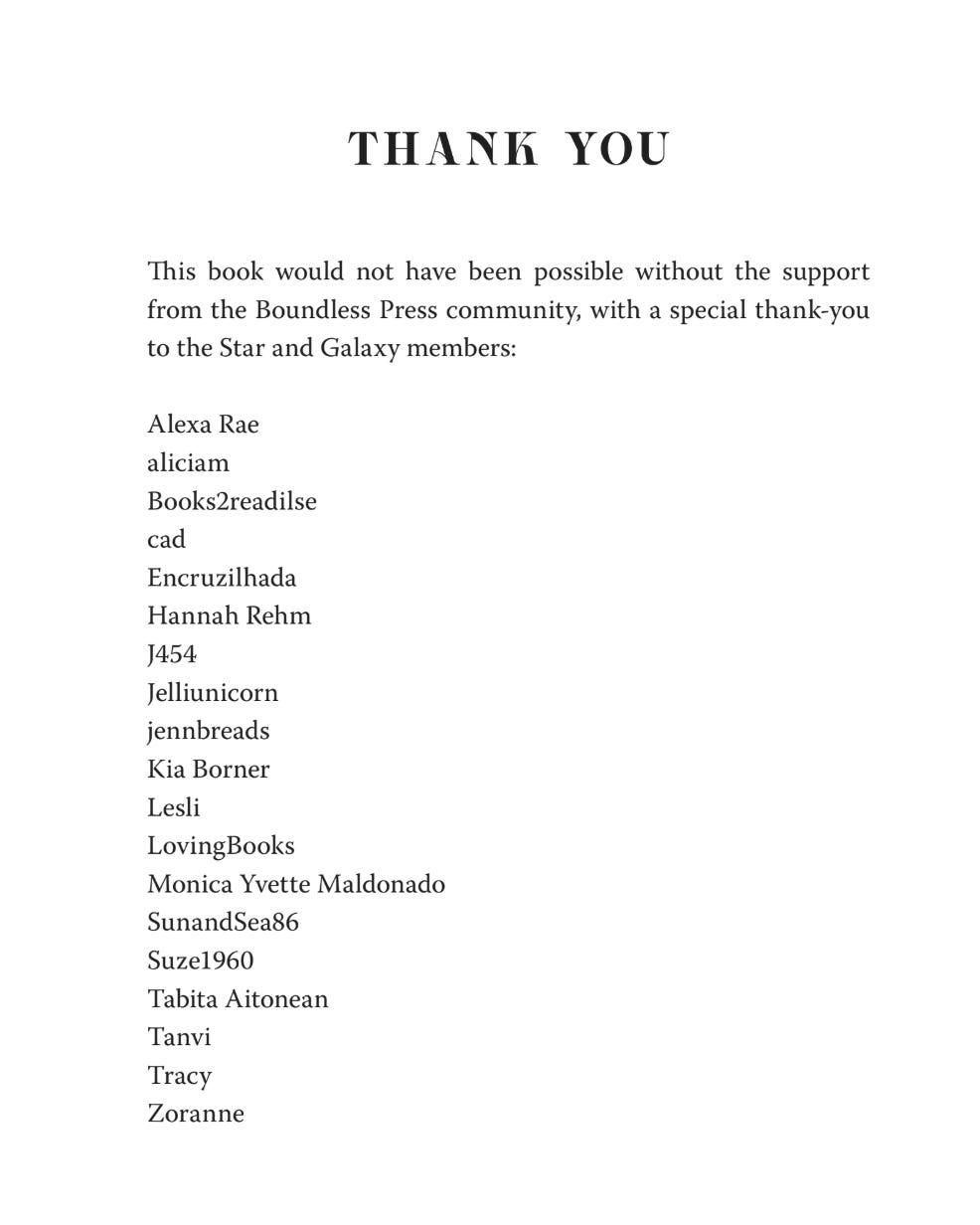
if you’re considering supporting my mission to publish more books by marginalized authors then go join the community and upgrade to the Star tier by 10/22 to get your name printed in the back of Burn the Sea — a lush, historical fantasy following the life of Queen Abbakka Chowta as she faces off with the colonizing snake monsters bent on her destruction.
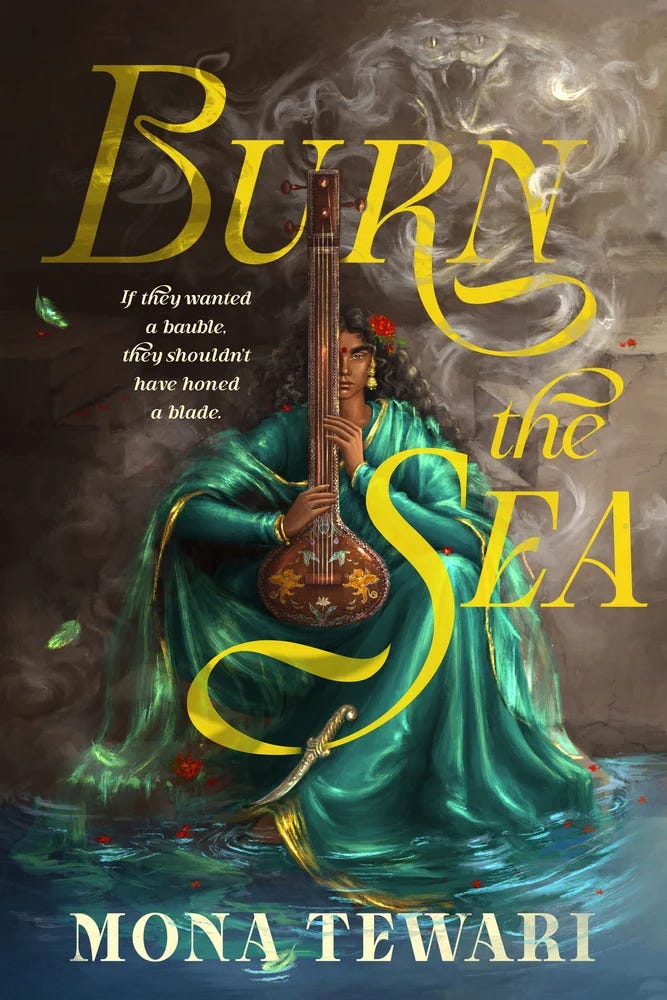
add Burn the Sea on Goodreads, or preorder it now at Bookshop, Amazon, Barnes & Noble
thank you for reading as always ♡
with love,
jananie
Comments